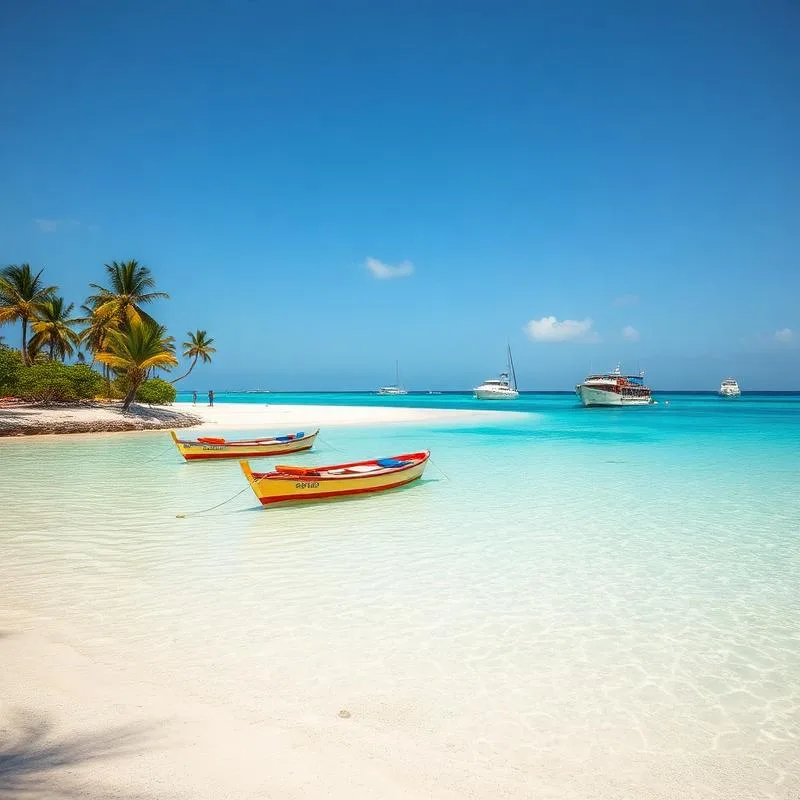
Cancun at a Glance
Cancun is where almost every Riviera Maya trip begins. Its airport handles more international arrivals than any other in Mexico, and for many travellers the city is a transit point. That undersells it.
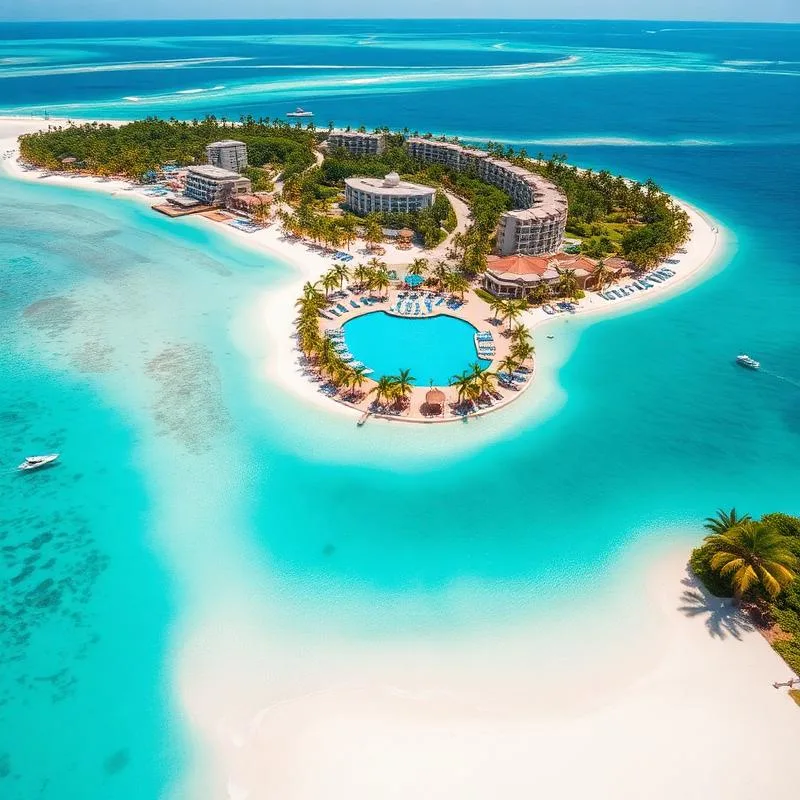
The city has two distinct halves. The Zona Hotelera is a 22 km sandbar shaped like the number seven, with the Caribbean on one side and the Nichupte Lagoon on the other. Downtown Cancun — El Centro — is a working Mexican city of markets, taquerias and neighbourhood parks where most of the region's residents actually live.
Understanding that split is the key to enjoying Cancun. The hotel zone delivers the beaches and the water; downtown delivers the food, the prices and the culture.
The History of Cancun
Before 1970, Cancun was an island of sand dunes with a handful of families living from fishing and copra. Small Maya structures at El Rey and Yamil Lu'um show the area was used as a coastal outpost during the Postclassic period.
In the late 1960s the Mexican government ran a computer-assisted study to identify the best location for a new international resort. Cancun's beach quality, water colour and proximity to North America won. Construction began in 1970 and the first hotels opened in 1974, the same year Quintana Roo became a state.
Fifty years later the metropolitan area exceeds 900,000 people. Cancun's growth is the reason the entire Riviera Maya developed, since Highway 307 south of the airport followed the airport, not the other way around.
Where Is Cancun?
Cancun sits at the northeastern tip of the Yucatan Peninsula in Quintana Roo, where the Caribbean Sea meets the Gulf of Mexico.
Cancun International Airport (CUN) is 20 km south of the city and serves as the arrival point for Playa del Carmen, Tulum, Puerto Morelos and the ferry ports.
Isla Mujeres lies 13 km offshore to the northeast, reachable by ferry in about 20 minutes from Puerto Juarez.
Why Visit Cancun
The best sand in the region
Cancun's beaches are made of porous limestone sand that stays cool underfoot even at midday.
A protected marine park
Costa Occidental de Isla Mujeres, Punta Cancun y Punta Nizuc is a national park with accessible reefs.
Whale shark departures
From June to September, boats leave from Cancun and Isla Mujeres for the largest whale shark aggregation on Earth.
Real Mexican city life downtown
Mercado 28, Parque Las Palapas and the Avenida Yaxchilan food scene are a short taxi ride from the hotels.
The region's transport hub
Everything in this guide is reachable from Cancun by road or ferry.
Things to Do in Cancun
Visit the Museo Maya de Cancun
A modern museum with an excellent regional collection, plus the San Miguelito archaeological site in the same grounds.
Snorkel or dive Punta Nizuc
Shallow reef inside the national park, suitable for beginners and reachable on short boat trips.
See the Underwater Museum (MUSA)
Hundreds of submerged sculptures placed to relieve pressure on natural reefs, visible by snorkel or dive.
Explore El Rey ruins
A modest Maya site in the hotel zone, home to a large population of iguanas and a quiet contrast to the resorts.
Eat downtown
Parque Las Palapas in the evening is the single best introduction to everyday Mexican street food in the city.
Take the ferry to Isla Mujeres
A half-day or full-day trip to a much slower island with calm swimming at Playa Norte.
Kayak the Nichupte Lagoon
Mangrove channels behind the hotel zone shelter birdlife and, at dusk, an entirely different side of the city.
Best Beaches in Cancun
Playa Delfines
The widest public beach with the famous Cancun sign, strong surf and no hotels blocking the view.
Playa Tortugas
Sheltered, shallow water on the bay side, good for families and the departure point for several ferries.
Playa Caracol
Calm and protected near Punta Cancun, one of the safest swimming beaches in the hotel zone.
Playa Chac Mool
Central, lively and with reliable public access and facilities.
Playa Langosta
Small, quiet and calm, popular with local families on weekends.
Cenotes Near Cancun
Ruta de los Cenotes (Puerto Morelos)
The nearest cenote concentration to Cancun, about 45 minutes south, with zip lines and open swimming holes.
Cenote Boca del Puma
A jungle cenote with adventure activities, popular as a half-day trip from the city.
Cenote Selvatica
Open cenote inside a jungle park on the Puerto Morelos road.
Cenote Verde Lucero
Bright green open water with a jump platform, roughly an hour from the hotel zone.
Nature and Landscapes
- The Nichupte Lagoon system covers around 30 km² of mangroves behind the hotel zone and functions as a nursery for reef species.
- Isla Contoy, north of Cancun, is a strictly protected national park and the most important seabird nesting island in the Mexican Caribbean.
- Crocodiles inhabit the lagoon and are genuinely present — the warning signs are not decorative.
- Sea turtles nest on Cancun's beaches from May to October, with hotel and municipal programmes protecting the nests.


Marine Life
Whale sharks
June to September, in one of the world's largest seasonal gatherings north of Isla Mujeres.
Manta and eagle rays
Regularly seen along the reef edges and in the channel toward Isla Mujeres.
Sea turtles
Green and loggerhead turtles feed on the seagrass beds year-round.
Reef fish and barracuda
The marine park's protected reefs support dense fish populations close to shore.
Sailfish
Winter brings sailfish runs offshore, drawing sport fishing boats out of the marinas.
Culture and Traditions
- Cancun is a city of migrants from every Mexican state, which is why its food scene ranges from Oaxacan to Sonoran within a few blocks downtown.
- Mercado 23 is the market residents use, while Mercado 28 is aimed at visitors — both are worth seeing for different reasons.
- Regional dance and music performances take place regularly at Parque Las Palapas and the Casa de la Cultura.
- The Museo Maya holds artefacts from across Quintana Roo, including finds from Tulum, Coba and El Meco.
Local Gastronomy
Cochinita pibil tortas
Downtown loncherias serve them from early morning until they run out, usually before noon.
Marquesitas at Las Palapas
The park's evening carts are the classic place to try the rolled wafer dessert.
Seafood at Mercado 28
Ceviche, shrimp tacos and whole grilled fish at prices well below the hotel zone.
Sopa de lima
The Yucatan's citrus-and-turkey broth, on almost every traditional menu.
Chiles xcatic
A local yellow chilli often stuffed with fish or cheese, a distinctly Yucatecan preparation.
Weather in Cancun
- Average temperatures range from 23 °C in January to 29 °C in August, with high humidity year-round.
- The dry season runs December to April; the wet season May to October.
- Nortes — cool northern wind fronts — can bring choppy seas and grey skies for a day or two between November and February.
- Hurricane risk peaks between August and early October.
- Sea temperatures range from about 25 °C in winter to 29 °C in late summer.
Best Time to Visit Cancun
December to April
Dry, sunny and busy. The most reliable weather of the year and the highest prices.
May to June
Hot but still mostly dry early on, with the start of whale shark season.
July to August
Peak family travel, warm water and frequent short storms.
September to November
Quietest and cheapest; September carries the highest hurricane risk.
How to Get to Cancun
By air
Cancun International Airport (CUN) connects directly to most of North America and Europe and is 20–30 minutes from the hotel zone.
Airport transfers
Private transportation is the most reliable way to reach hotels, and the only practical option late at night.
From Playa del Carmen
About one hour north on Highway 307.
To Isla Mujeres
Ferries depart from Puerto Juarez and from several hotel zone piers, taking 20 to 30 minutes.
Travel Tips
- Hotel zone addresses use kilometre markers along Boulevard Kukulcan — note the km number of your hotel before arriving.
- The R-1 and R-2 public buses run the length of the hotel zone cheaply and frequently, day and night.
- Prices downtown are typically half those in the hotel zone for the same meal.
- Timeshare representatives operate at the airport and around resorts; a polite refusal is enough.
- Beach flags are legally enforced — red and black flags mean stay out of the water.
Safety Tips
- Rip currents are the main hazard on the Caribbean-facing beaches, especially at Playa Delfines.
- Do not swim in the Nichupte Lagoon — crocodiles are present.
- Use official taxis, hotel transportation or pre-booked private transfers rather than street offers.
- Withdraw cash inside banks and avoid ATMs in nightlife areas.
- Keep hydration in mind: the combination of heat and humidity dehydrates faster than most visitors expect.
Interesting Facts About Cancun
- Cancun's name is usually translated from Maya as 'nest of snakes'.
- The hotel zone is built on a sandbar barely 400 metres wide in places.
- Cancun's sand is limestone-based, which is why it does not burn bare feet.
- The Underwater Museum contains more than 500 permanent sculptures.
- The city was designed on paper before a single building existed — one of the few resort cities planned that way.